
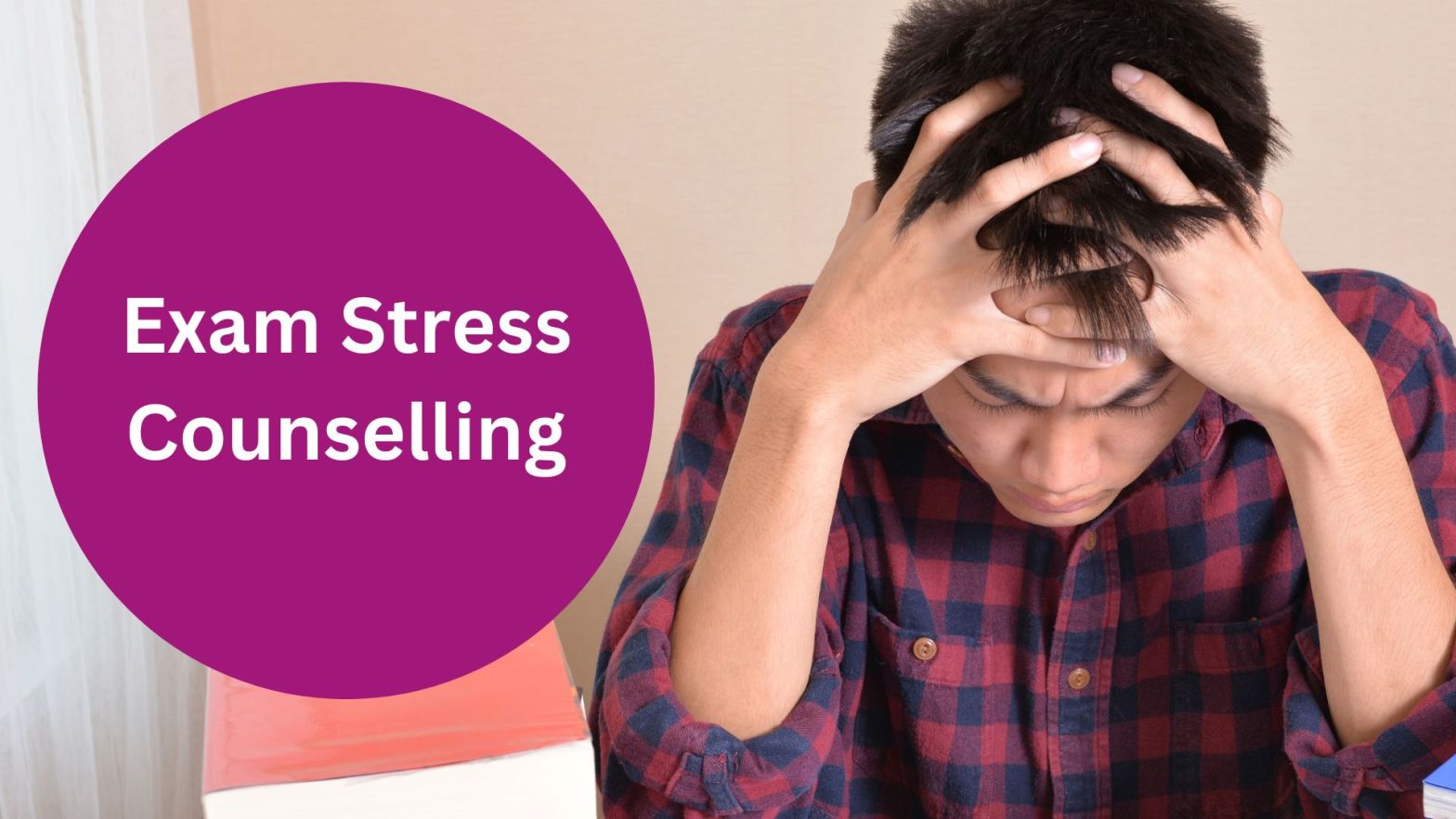
Exam Stress Counselling

Exam stress is a common feeling of tension and worry that can hinder students’ ability to perform and achieve their academic and learning goals. The Central Board of Secondary Education (CBSE) in India has issued guidelines to address exam stress and promote the well-being of students. These guidelines include encouraging a supportive environment, providing a reasonable gap between exams, promoting stress management techniques, providing counseling support, involving parents in managing exam stress, and focusing on health and nutrition.

We provides systematic and rigorous counseling services for students before and after exams, as well as promoting awareness and guidance to parents through various communication channels. Counseling sessions help students develop effective coping strategies, time management, test preparation techniques, motivation and confidence building, emotional support, learning from mistakes, goal setting, and stress management for future exams.

We have trained and professional counsellors who specialise in working with students, offering personalised support tailored to individual needs and helping students navigate the challenges associated with exams. We never restricts services to the present need but always focuses on advance preparedness and excellent performance.

In conclusion, we are committed to providing comprehensive and effective counseling services to students, ensuring their well-being and academic success. By focusing on stress management techniques, counseling support, and fostering a supportive environment, students can overcome their anxiety and improve their overall well-being.


Boost Self-Confidence among Children

A positive sense of self is one of the greatest gifts to Children. Children with high self-esteem feel loved and competent and develop into happy, productive people. To help build your child’s positive self-image as he grows, consider these dos and don’ts.

Do give children choices. Giving children choices within a reasonable set of options preselected by you — make them feel empowered. For example, at breakfast you might offer your child the option of eggs or pancakes. Learning to make simple choices while he’s young will help prepare your child for the more difficult choices he’ll face as he grows.

Don’t do everything for her. Be patient and let her work things out for herself. For example, it may be faster and easier to dress your preschooler, but letting her do it herself helps her learn new skills. The more she meets new challenges, the more competent and confident she’ll feel.

Do let him know no one is perfect. And explain that no one expects him to be. The way you react to your child’s mistakes and disappointments colors the way he will react.

Don’t gush or offer insincere praise. Kids are masters at detecting insincere praise or baseless compliments. Praise your child often, but be specific in your compliments so your words don’t ring hollow. For instance, instead of reacting to your child’s latest drawing with, “Wow, that’s great. You’re the best artist in the world,” try something like, “I really like how you drew the whole family. You even included details like Daddy’s beard.”

Do assign age-appropriate household chores. Give children responsibility for tasks such as setting the table, walking the dog, and folding laundry. They’ll increase their feelings of competency and bolster their problem-solving skills.

Don’t draw comparisons between your children. Instead, appreciate each one’s individuality and special gifts.

Don’t call children names or use sarcasm to make a point. Never belittle your child’s feelings. When you get angry take a short break so you don’t say anything you’ll regret. And keep in mind; you can dislike a child’s actions without disliking the child. Be sure to illustrate the difference to your child.

Do spend one-on-one time with your child. Whether it’s grabbing a bite to eat or taking a bike ride, try to schedule some alone time with your child at least once a week. This is a great opportunity to talk about what’s on her mind and to cement the bond the two of you share.

Challenges of Growing Teens

The most common problems that teenagers face today include: Self-Esteem and Body Image. Teenagers undergo and have to cope with numerous body changes.

Teenagers face real problems on a daily basis during the most awkward growth stages of their lives; between 13 and 19-years-old. During this time, teens are exposed to some overwhelming external and internal struggles. Teens go through, and are expected to cope with hormonal changes, puberty, social and parental forces, work and school pressures, as well as encountering many conditions and problems.

Children’s body image is influenced by many factors. These factors include family environment, ability or disability, the attitudes of peers, the media and advertising, the fashion industry and cultural background. Social media also has a big influence on teenage body image, particularly when teenagers post and view photos of themselves and others on social media.

Developing a healthy body image: how you can help your child

Talking about body image
Many young people feel confused or concerned about the physical changes that come with puberty. You can help by listening to how your child is feeling about his body and its changes – active listening skills can build openness and show your child that you’re really taking notice of what he’s saying.

Being a positive body role model
If you show that you feel positive about your own body, it’ll be easier for your child to be positive about her body. A positive attitude includes:

  • Making healthy eating and physical activity part of your everyday family life, and avoiding fad diets – this will help your child find the right balance.
  • Appreciating your own body for what it can do, not just how it looks.
  • being proud of things in yourself that aren’t related to appearance, like having a sense of humour, trying hard, being caring or being helpful – you can point out these qualities in yourself and your child.
  • Accepting and valuing people no matter how they look, and not commenting on how people look.
  • Encourage healthy sleep routines.