
Challenges of Growing Teens

The most common problems that teenagers face today include: Self-Esteem and Body Image. Teenagers undergo and have to cope with numerous body changes.

Teenagers face real problems on a daily basis during the most awkward growth stages of their lives; between 13 and 19-years-old. During this time, teens are exposed to some overwhelming external and internal struggles. Teens go through, and are expected to cope with hormonal changes, puberty, social and parental forces, work and school pressures, as well as encountering many conditions and problems.

Children’s body image is influenced by many factors. These factors include family environment, ability or disability, the attitudes of peers, the media and advertising, the fashion industry and cultural background. Social media also has a big influence on teenage body image, particularly when teenagers post and view photos of themselves and others on social media.

Developing a healthy body image: how you can help your child

Talking about body image
Many young people feel confused or concerned about the physical changes that come with puberty. You can help by listening to how your child is feeling about his body and its changes – active listening skills can build openness and show your child that you’re really taking notice of what he’s saying.

Being a positive body role model
If you show that you feel positive about your own body, it’ll be easier for your child to be positive about her body. A positive attitude includes:

  • Making healthy eating and physical activity part of your everyday family life, and avoiding fad diets – this will help your child find the right balance.
  • Appreciating your own body for what it can do, not just how it looks.
  • being proud of things in yourself that aren’t related to appearance, like having a sense of humour, trying hard, being caring or being helpful – you can point out these qualities in yourself and your child.
  • Accepting and valuing people no matter how they look, and not commenting on how people look.
  • Encourage healthy sleep routines.

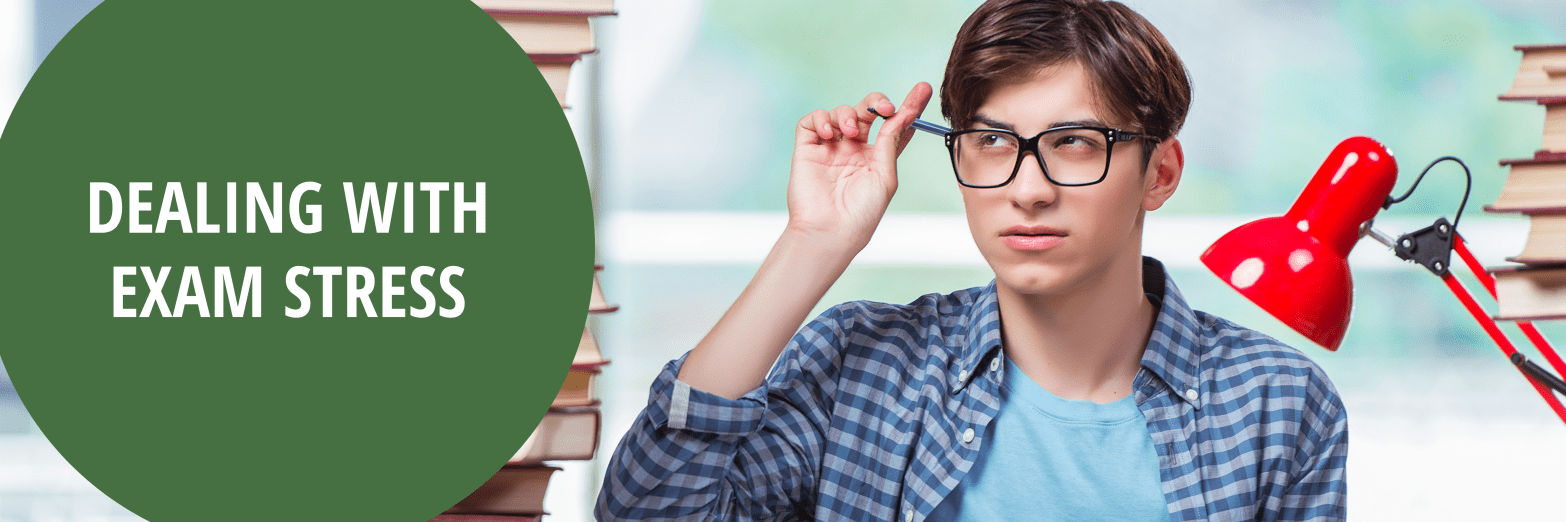
Dealing with Exam Stress

Exam season can bring on levels of stress. Exam stress affects most students in varying ways. It is important to manage this stress and find little ways of helping to eliminate the risk of burnout. 

For some students, exams can be a breeze; revision is second nature to them and they could face an exam with their eyes closed. But for others, sweaty palms and heart palpitations are just a part of the territory, and it seems that nothing is more impossible than sitting down and revising. Here are some handy tips that can help to dissipate stress and make sure you can get through exam season. 

1. Take regular breaks.

Even the most intense exam timetables will allow a little time for a study break. This can include 20-minute breaks during your revision day, and longer activities that you can look forward to. Spending a little time away from the books will leave you feeling more refreshed and relaxed the next time you revise.

2. Exercise and get outdoors

Easily one of the most frustrating things about exam season is that it seems to occur just as the weather brightens up. Use this to your advantage and go out for a walk, or a run, or head to the gym or swimming pool. As well as keeping you healthy, exercise is known to boost your mood and can help to make you more productive while revising. 

3. Speak to someone

If the stress gets to a point where it is overwhelming, and is affecting your day-to-day life, try and speak to someone about it. Your university or school should have a service where you can speak to people about your concerns, and will be able to offer more advice on how to manage it. If that seems like too big a step, open up to a family member or a friend about the pressure you feel. You’ll be amazed to know that you aren’t alone in feeling like this.

4. Quick ways to help eliminate exam stress 

  • Drink some herbal tea or a hot chocolate. It’s a well known fact that hot drinks are known to soothe the soul (avoid too much caffeine though!).
  • A shower or a bath can help to relieve stress.
  • Cook or bake something. Just the thought of having something delicious to eat can bring you joy. As a bonus side note, try and cook something healthy too. You can’t feed your mind well, if you don’t feed your body well.
  • Get some sleep. The virtues of a good night’s sleep during exam season should not be underestimated.
  • Avoid the exam “post-mortem”. You don’t need to know how other people fared in the exam. You’ve done your best, you can’t go back and change your answers so the second you step out of the exam hall, focus on your next exam.
  • Be flexible. While having a revision time table don’t be too hard on yourself if you don’t stick to it. If you accidentally oversleep, don’t write the day off.
  • Write down everything you feel like you need to do and try and tick one thing off. Just the act of feeling like you are in control of your revision can help. 

Meditation

Meditation

Meditation is the most meaningful, economically sound, almost free of cost, list time consuming & with easy methodology to practice every day.

This is a magical remedy we do have with us, gifted by our Indian tradition, which is foremost important & necessity now a days as due to stressed lifestyle people are unable to pay focus on their physical & mental health.

Here I would like to share some beneficial methodology &usefulness of meditation for all age group people.

Beneficial methodology

As now a days there are dozens of meditation techniques been found & developed by experts. Few are mentioned below out of these.

  • Loving-kindness meditation
  • Body scan meditation
  • Mindfulness meditation
  • Breathe awareness meditation
  • Kundalini yoga
  • Zen meditation
  • Transcendental meditation

If you really do not know the specific suitable way or kind of meditation for you then at least sit silently somewhere for a while, close your eyes and just feel yourself without any movement that would be helpful for you.

The time duration for meditation should be according to your age. For example if you are 30 years old then meditate for 30 minutes. Otherwise there is no such rule been framed by the universe so just do up to your comfort level.

Beginners can start with 1 minute & gradually improve as per their need.

Benefits of meditation

  • Reduces stress
  • Control anxiety
  • Promotes emotional health
  • Enhance self awareness
  • Lengthens attention span
  • May help fight addictions